When you buy a home on a septic system, you are buying something you can’t see — a private wastewater system that a standard home inspection usually doesn’t open or evaluate in depth. A dedicated septic inspection is how buyers turn that unknown into information before closing, which is exactly when it’s easiest to act on.
Why It Matters Before Closing
Septic components are buried, and the more involved repairs sit at the expensive end of home ownership. Understanding the system’s condition before closing means any findings can inform the negotiation — repairs, timing or price — rather than becoming a surprise afterward. It also establishes a baseline for the maintenance the system will need going forward.
What an Inspection May Include
- Locating the system. Finding the tank and, where relevant, the drain field — records are often incomplete on older properties.
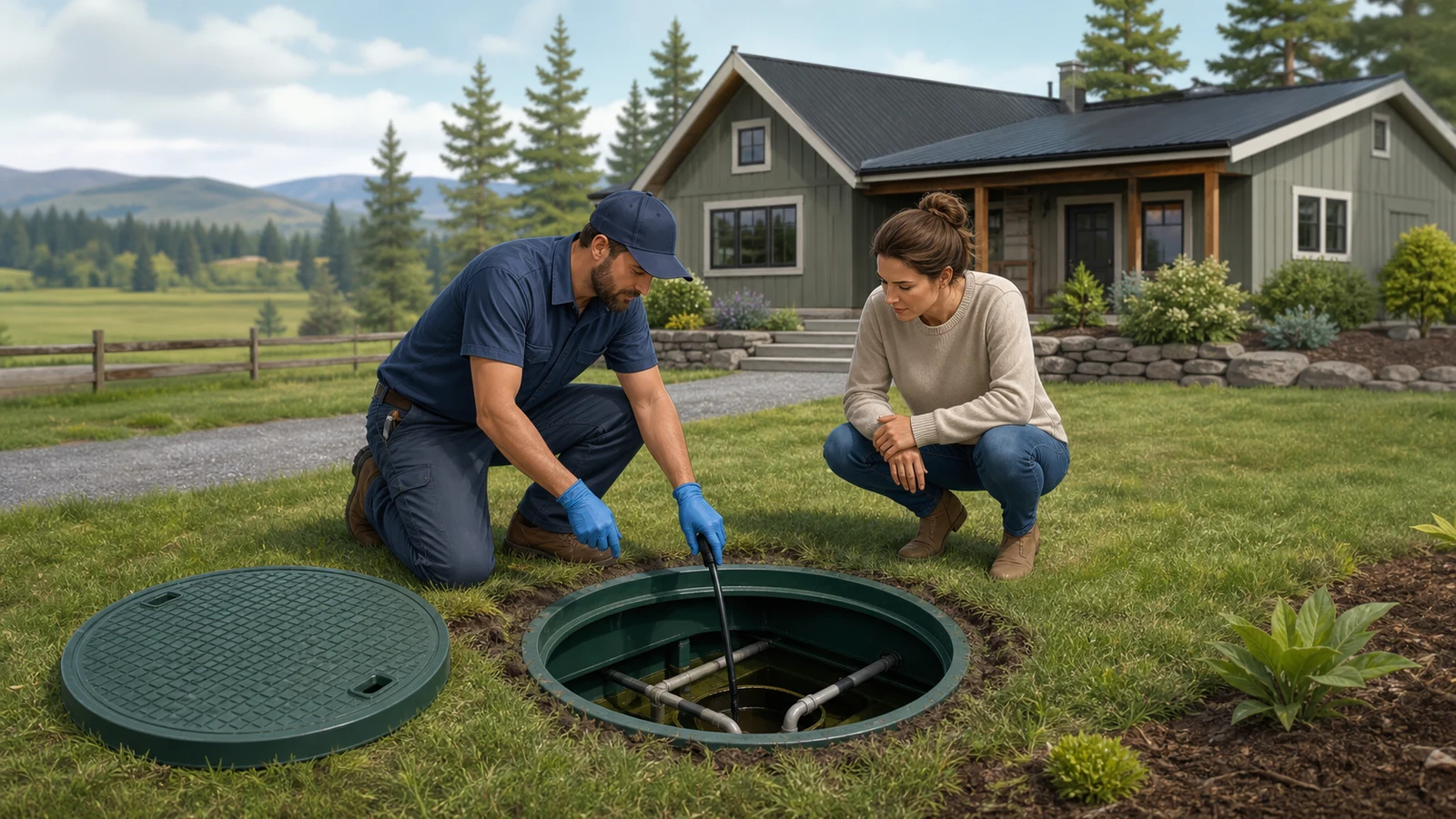
- Opening and evaluating. Accessing lids and assessing the condition of components rather than just glancing at the surface.
- Fuller testing. Some inspections include pumping and flow testing to see how the system handles use.
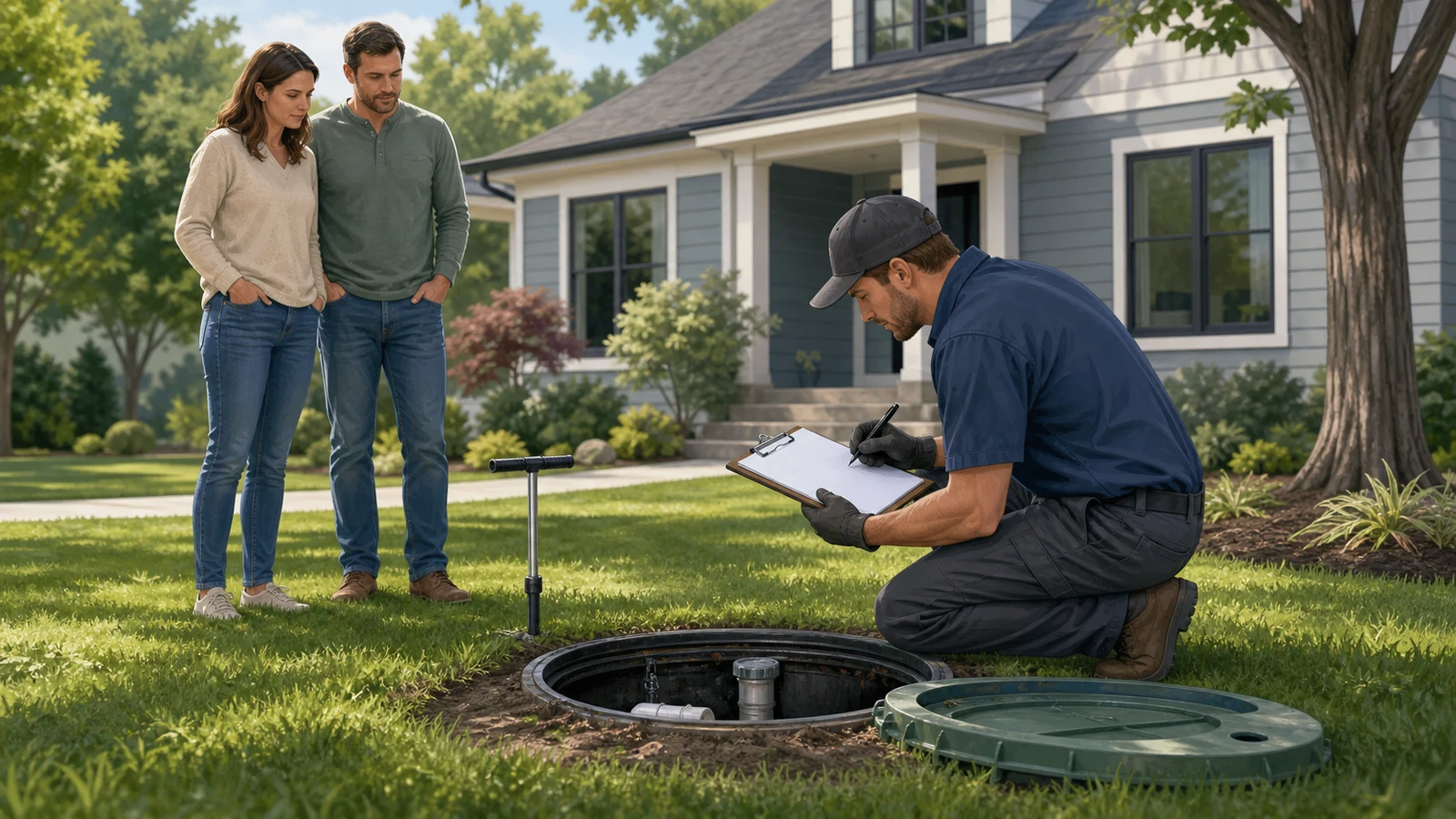
- Documentation. A written record of what was found, which is what makes the inspection useful in a transaction.
Scope — and therefore what an inspection depends on — varies, so ask what a given inspection includes before comparing options. The costs and pricing hub explains why scope drives that.
A Regional Note for Upper Cumberland Buyers
Rural and lake properties across the region often have long histories, older systems and limited records — which makes locating and documenting the system especially worthwhile before a purchase. The Upper Cumberland septic guide covers the terrain and access realities that shape rural systems here.
Arranging an Inspection
Who arranges and pays for the inspection is negotiable and varies by transaction; what matters is that a qualified provider performs it and documents the findings in time to inform the decision. To get started, request a septic inspection with the property details and your timeline.
This guide is general information, not legal or real-estate advice for any specific transaction. Real-estate terms and septic requirements vary by property and county — confirm specifics with your agent, a qualified provider and the appropriate authority. Cumberland Septic Hub is an independent referral service; provider availability, qualifications, pricing and service terms are determined by the provider.
Helpful Septic Guides
- Septic Inspections and Property Buying — more guides in this topic
- Upper Cumberland Septic Guide — context for rural purchases
- Septic Costs and Pricing Factors — what inspection scope depends on
Cumberland Septic Hub is an independent referral service. Requests may be shared with an independent local septic provider, and the provider determines availability, qualifications, pricing and service terms. Read the full referral disclosure.